
The Argument Starts in the Garage
It usually happens on a 95-degree afternoon. One of you walks into the garage to grab something from the freezer or the tool bench, and the air feels like a convection oven. The other one says, \"That's why we need an insulated door,\" and the debate is on. Is insulation actually going to fix that, or is it a $400 upgrade that just makes the door heavier and the salesperson happier?
Here's the honest answer: it depends entirely on what that garage is being used for, and that's the part most people skip past before they start arguing about money.
What R-Value Actually Measures
R-value is a measurement of how well a material resists heat transfer. Higher R-value means heat moves through it more slowly. On a garage door, that number refers to the insulation sandwiched inside the panels, usually polystyrene or polyurethane foam between two layers of steel.
What R-value does not do is keep your garage at room temperature. A door rated R-16 in a detached garage with an uninsulated roof, a gap under the door, and vents on both walls will still get hot. Insulation slows heat transfer through that one surface; it doesn't seal the room or control every other source of heat and air movement.
Single Layer, Double Layer, Triple Layer
- Single-layer steel has no insulation. It's the thinnest, least expensive, and transfers outside temperature almost immediately.
- Double-layer (steel plus foam backing) adds some insulation and noticeably more rigidity, which also helps the door resist denting and flexing in wind.
- Triple-layer (steel-foam-steel) has the highest R-values, the most sound dampening, and the highest price. It also weighs more, which matters for your opener and springs.
Who Actually Benefits
Insulation earns its keep when the garage is functioning as more than a parking spot:
- Attached garages, especially if a bedroom, laundry room, or living space shares a wall with it. An uninsulated door lets heat radiate straight through that shared wall during a hot inland stretch, and the AC on the other side works harder because of it.
- Converted or semi-converted space — home gyms, offices, workshops where someone spends real time.
- Anyone storing heat-sensitive items: paint, electronics, certain stored food or beverages, musical instruments that warp with swings in temperature and humidity.
- Households that run the garage door opener frequently in summer and want the garage itself to not radiate heat into the house every time the door's been closed all day under direct sun.
Who's Paying for Nothing
If the garage is detached, rarely entered, ventilated on purpose, and used mainly for storage or parking, a high R-value door is mostly an upcharge with limited payoff. Heat and cold are already moving freely through the walls, roof, and any vents — the door is one piece of a leaky box, not the box itself. In that situation, a double-layer door for durability and noise reduction makes more practical sense than paying extra for the top insulation tier.
It's also worth saying plainly: insulation doesn't fix a door that doesn't seal well at the bottom or sides. If there's daylight visible around the edges when the door is closed, that gap is doing more damage to your temperature control than the R-value of the panel ever will. Weatherstripping and a properly adjusted bottom seal matter as much as, sometimes more than, the insulation rating itself.
The Inland Heat and Dust Factor
This part of the San Gabriel Valley runs hot and dry for a good stretch of the year, with dust and wildfire smoke drifting in during fire season. An insulated door with good weatherstripping does double duty here — it slows heat transfer and it helps keep dust out of an attached garage that connects to living space. That's a real, practical reason to lean toward insulation if the garage is attached, separate from whatever the R-value sticker promises on its own.
When to Call El Monte Garage Door Experts
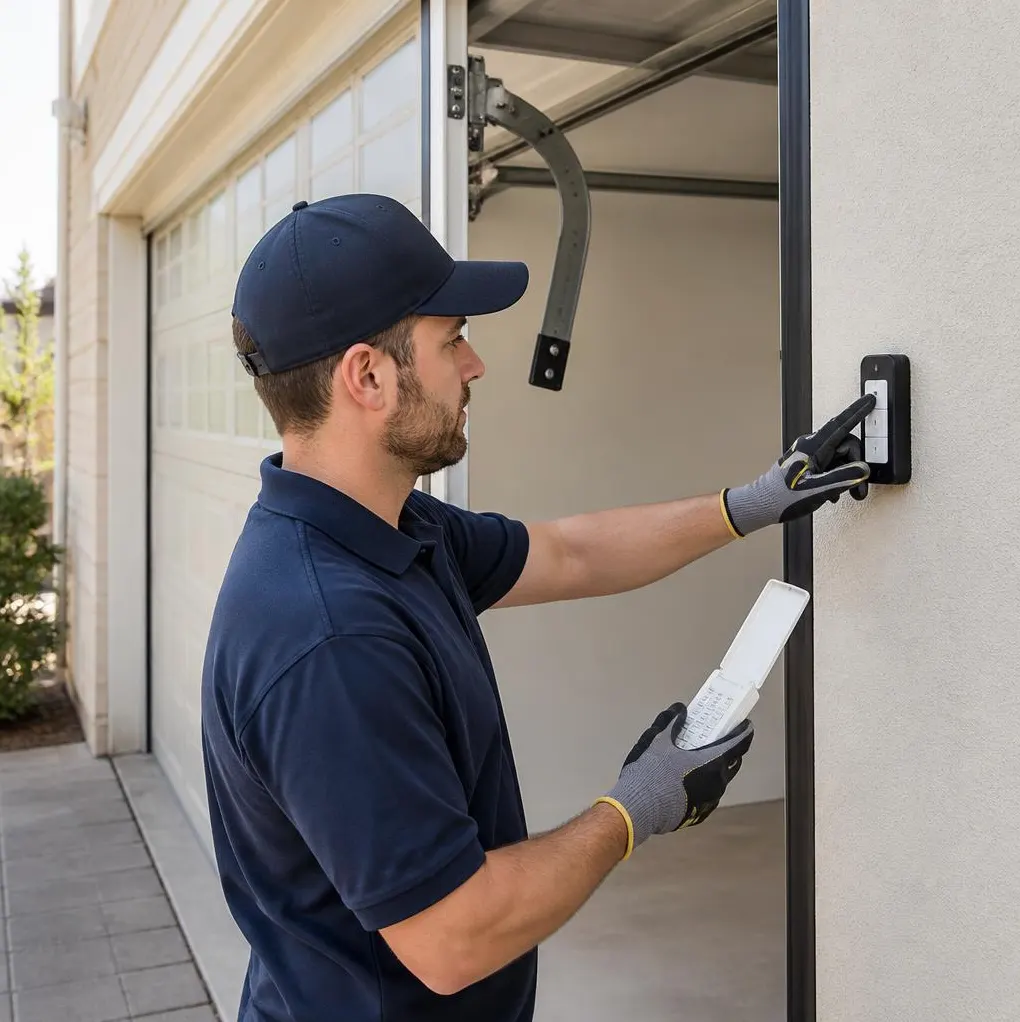
If you're genuinely torn on which way to go, a technician can look at your actual setup — attached or detached, current seal condition, opener capacity — and tell you where the money does real work versus where it doesn't. We handle garage door installation for homeowners upgrading to an insulated model, and we also do garage door maintenance visits that check and replace worn weatherstripping, which often solves half the temperature complaint before anyone spends money on a new door at all. If your current door is heavy, older, or showing rust or wear on top of the insulation question, that's worth a look too — sometimes the better decision is matched to the door's age, not just its R-value.
Settle the argument with real information instead of a sales brochure. Call El Monte Garage Door Experts for an honest assessment, serving El Monte, CA and the surrounding San Gabriel Valley.